From First Contact To Final Report
Transparency matters in inspection work. Here's exactly what happens when you engage us to verify construction progress on a collective investment project.
The Complete Inspection Process
Each inspection follows a consistent methodology designed to capture accurate information about construction progress and quality. This consistency ensures findings are reliable and comparable across multiple inspections of the same project.
Initial Contact and Project Review
You reach out with basic information about your construction project—location, type of building, current stage, and what concerns prompted the request for inspection. We discuss your specific needs and review any project documentation you can provide, such as the construction schedule, architectural plans, or previous progress reports.
This conversation helps us understand what aspects of the project need particular attention. Maybe there's concern about structural work quality. Maybe the schedule seems unrealistic. Maybe you just want baseline documentation of current conditions. We tailor our focus accordingly while still conducting a comprehensive overall inspection.
Scheduling and Site Access Coordination
We coordinate with you (or your designated representative) to schedule the site visit. Access to the construction site is typically arranged through the investor group rather than directly with the builder—this maintains our independent position.
We specify what we'll need during the visit: access to all areas under construction, the ability to take photographs and measurements, and ideally, a copy of the current construction schedule to reference during inspection. Most inspections take several hours depending on project size and complexity.
On-Site Inspection and Documentation
Our inspector conducts a thorough walk-through of the entire construction site. This includes all building areas, both interior and exterior spaces, and any site work such as foundations, drainage, or landscaping that's part of the project scope.
During the inspection, we photograph current conditions extensively. We take wide shots showing overall site progress, detail shots of specific work areas, and close-ups of any quality concerns. We measure completed work to verify progress percentages. We note materials being used and assess workmanship quality.
We compare what we observe against the construction schedule to determine whether actual progress aligns with committed milestones. If the schedule says foundation work should be complete, we verify whether that's accurate. If framing should be 60% done, we measure and calculate whether that matches reality.
Report Preparation and Analysis
After the site visit, we compile our observations into a structured inspection report. This isn't just a photo dump—it's organized analysis of what we found.
The report includes calculated progress percentages for major building elements (foundation, structure, envelope, interior finishes, etc.), comparison of actual progress against the committed schedule, quality observations with supporting photographs, documentation of any defects or concerns, and clear explanations written for people without construction backgrounds.
Technical terms are explained. Photos are annotated to highlight what we want you to see. Everything is presented in a way that lets investors understand the current state without needing to be construction experts themselves.
Report Delivery and Discussion
You receive the complete inspection report in digital format. We're available to discuss findings, answer questions, and clarify any points that need explanation. This discussion can happen via phone, video call, or in-person meeting depending on your preference and location.
The report becomes your reference document for discussions with the construction company or internal conversations within your investor group. Because it's prepared by an independent third party, it carries more weight than opinions or assumptions.
Follow-Up Inspections (If Needed)
Many collective investment projects benefit from periodic inspections rather than just a single assessment. If you want ongoing monitoring, we can schedule regular inspections—monthly, at specific milestone points, or whenever concerns arise.
Follow-up inspections include comparison against previous reports, showing how progress has evolved over time. This creates a documented timeline of construction advancement that's useful for tracking whether the builder is maintaining pace or falling behind.
What Makes Our Reports Useful
Inspection reports only create value if they're actually useful to the people receiving them. Here's what we focus on to make reports practical and actionable.
Plain Language Explanations
We avoid construction jargon unless it's necessary, and when technical terms are needed, we explain what they mean. The goal is for every investor in your group to understand the findings, not just the one person who happens to know about construction.
Extensive Photo Documentation
Photos show what words can't easily describe. We include enough images that readers can visualize current site conditions even if they haven't visited recently. Photos are organized logically and annotated to highlight key points.
Clear Progress Metrics
Vague statements like "making good progress" don't help anyone. We provide specific percentages for major work categories and compare those against schedule commitments. This creates objective reference points for evaluating builder performance.
Honest Assessment of Concerns
When we observe quality issues or schedule delays, we document them clearly. But we also distinguish between minor imperfections that are normal in construction and serious problems that need attention. Not everything that's imperfect is actually problematic.
Historical Comparison (For Follow-Up Inspections)
When we conduct multiple inspections of the same project, reports include comparison against previous findings. This shows whether progress is accelerating, maintaining pace, or slowing down—information that helps predict completion timelines.
Professional Presentation
Reports are formatted professionally with clear organization, consistent structure, and readable layout. This isn't about making things pretty—it's about making information easy to find and reference later when you need it.
What We Look For During Inspections
Understanding what we examine helps you know what value you're getting from an inspection. Here are the main categories we assess on every site visit.
Foundation and Structural Work
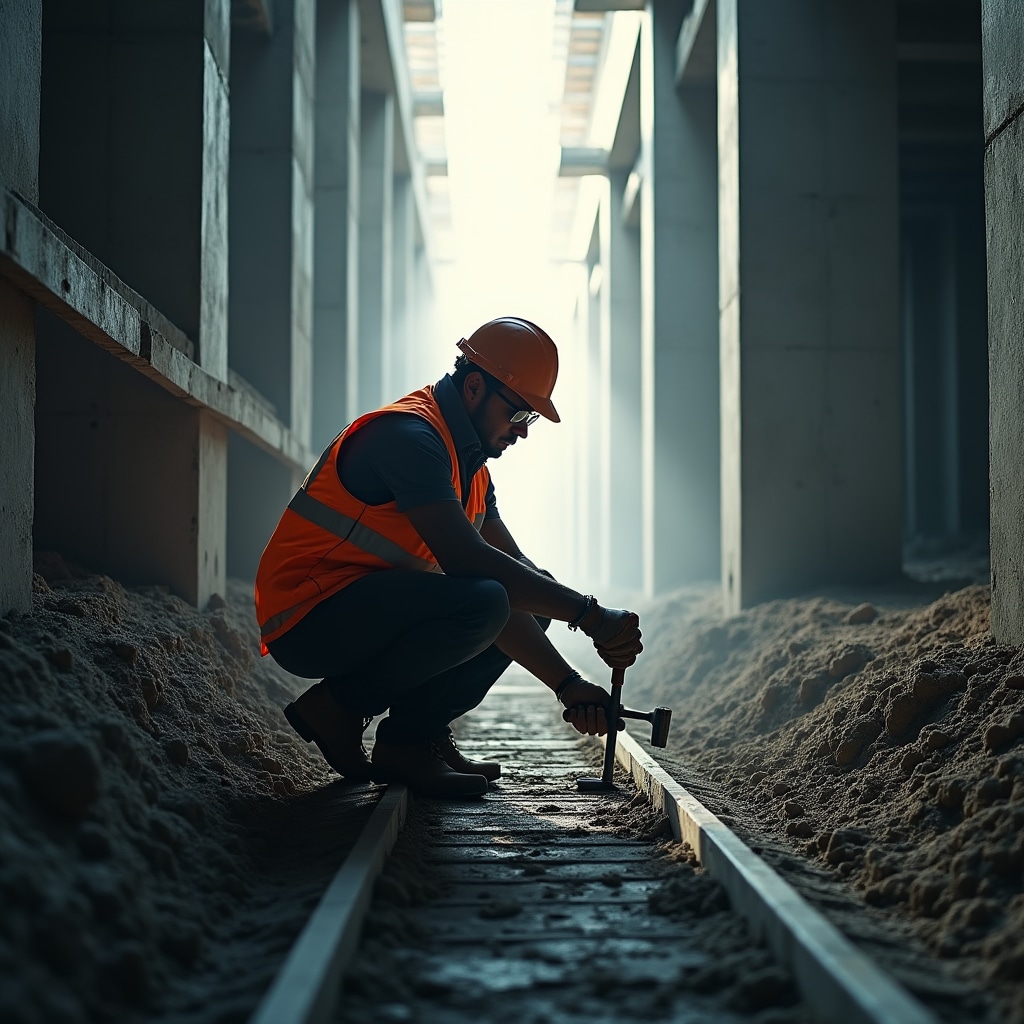
We verify that foundation work is complete and properly executed. For structural elements like columns, beams, and load-bearing walls, we check that they're built according to proper construction practices and that work quality appears sound.
We look for obvious defects like cracking, misalignment, or poor concrete finishing. While we're not conducting engineering analysis, we can identify visible quality concerns that warrant further investigation.
Building Envelope and Weatherproofing
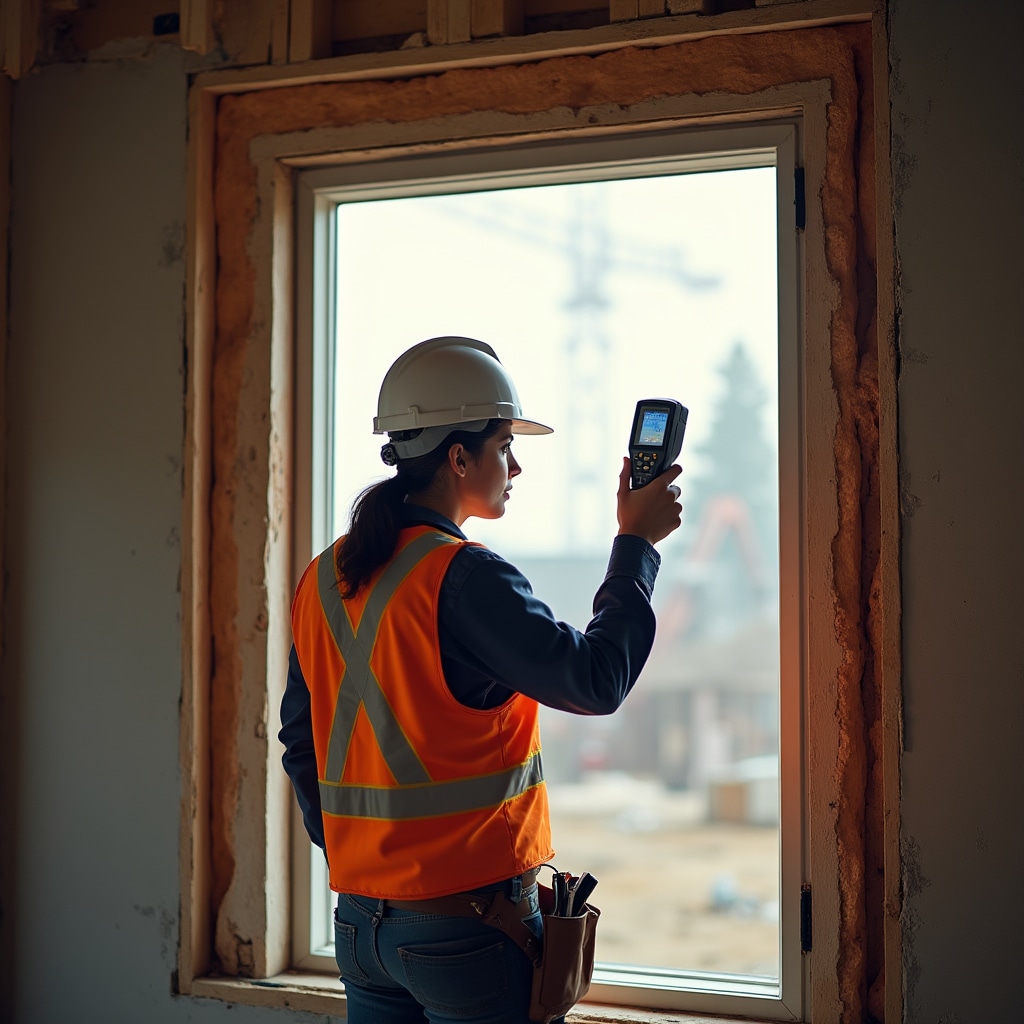
Exterior walls, roofing, windows, and doors are critical for building performance. We verify that these elements are installed properly and that the building is being adequately protected from weather during construction.
Poor weatherproofing during construction can cause damage that becomes expensive problems later. We document whether the building is being protected appropriately at its current stage.
Interior Finishes and Systems
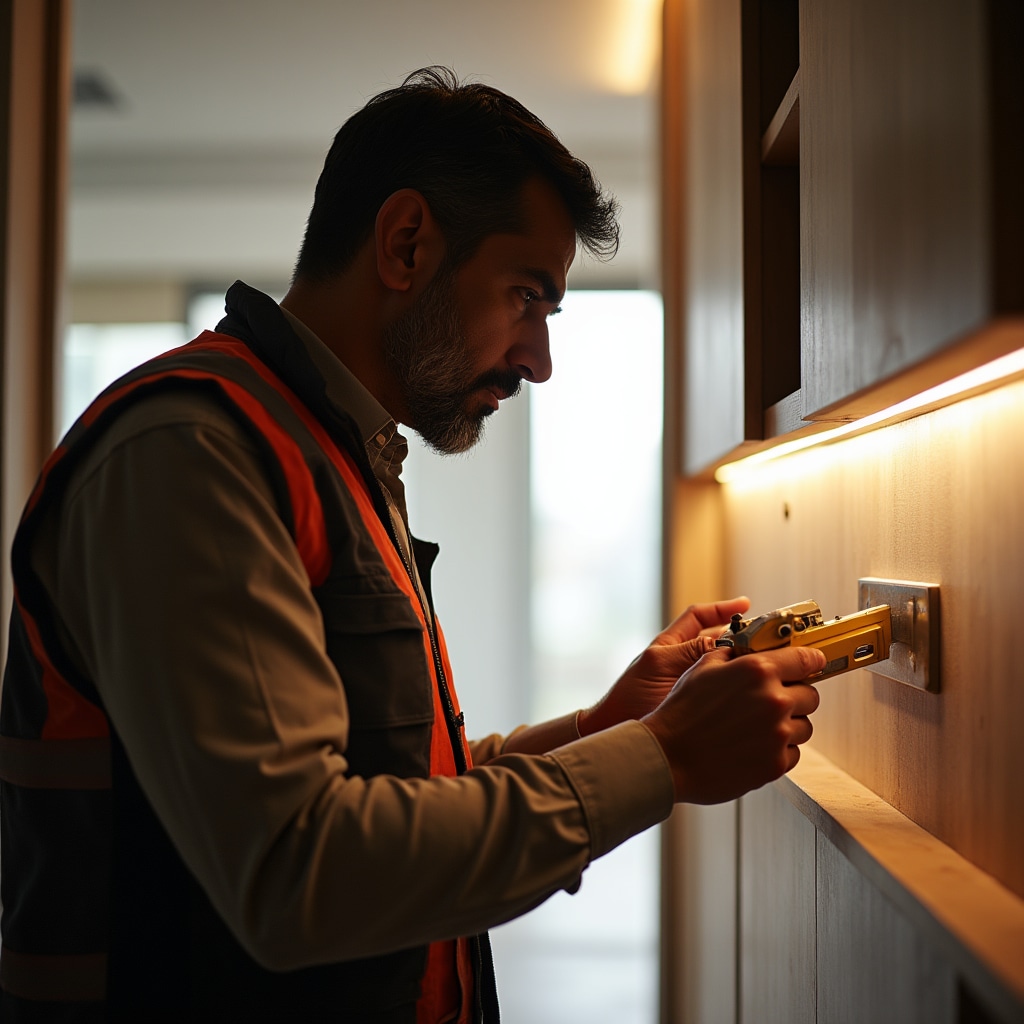
As construction progresses to interior work, we evaluate finish quality—flooring, wall surfaces, cabinetry, fixtures. We also verify that mechanical, electrical, and plumbing systems are being installed in locations that match plans.
Interior finish quality directly impacts how the final units look and feel. We document workmanship standards and identify any areas where quality falls short of reasonable expectations.
Schedule an Inspection
Ready to get independent verification of your construction project's progress? Contact us to discuss your needs and schedule a site visit.
Get StartedLearn About Independence
Understand why neutral third-party verification protects collective investors and how we maintain independence throughout the inspection process.
Our Independence